This guide explains Vehicle Availability and how buyers can evaluate inventory in a structured, decision-ready way. It provides objective background on how stock is tracked, what “availability” typically means to suppliers, and why timing matters. You’ll also find practical conditions, a step-by-step approach, and FAQs designed to reduce uncertainty when selecting the right vehicle.

When you’re shopping for a car, motorcycle, van, or commercial vehicle, Vehicle Availability is often the first—but least understood—piece of information. A vehicle may be “listed,” “in transit,” or “ready,” and each status changes your timeline, negotiating leverage, and total decision risk. This guide helps you interpret Vehicle Availability in an objective, buyer-focused way so you can choose with confidence rather than guesswork.
Vehicle availability affects far more than when you can pick the vehicle up. It affects how you plan insurance start dates, how quickly you can schedule a test drive, when registration can be completed, how much downtime you’ll face if you’re replacing an existing vehicle, and how you manage cash flow when deposits and payments happen before handover. It also affects what you can reasonably promise internally—if you are buying for a business, a fleet, a construction schedule, a delivery route, or a field team.
Despite how frequently Vehicle Availability is mentioned in listings and sales conversations, many buyers treat it as a single phrase that means “soon.” In reality, Vehicle Availability usually represents a set of operational states. Those states can shift due to logistics milestones, pre-delivery inspection (PDI) timing, paperwork clearance, allocation priorities, and changes in supply chain flow. Understanding that nuance is the fastest way to reduce surprises and protect your decision.
In many vehicle sourcing processes, availability is not a single binary state. It reflects multiple operational realities: whether a unit is physically on-site, allocated to a reservation system, in transport, pending pre-delivery inspection, or awaiting documentation. For buyers, these distinctions translate into real-world effects—especially when you have a delivery date, a business schedule, or a financing approval timeline.
To see why it matters, consider the different kinds of “time” that exist in a vehicle purchase:
Vehicle Availability is supposed to help you connect those timelines. When it is vague or inconsistent, you may unknowingly plan for the wrong type of time. For example, you might schedule insurance based on “in transit” and then discover the vehicle cannot be insured until certain documents arrive, or it might be held for inspection longer than expected.
From an industry standpoint, clear Vehicle Availability reduces friction for both suppliers and customers. Suppliers can plan logistics and inventory control, while customers can align test drives, paperwork, and delivery. Without that clarity, misunderstandings are common: one side assumes an immediate handover, the other assumes a future arrival with a different lead time.
In procurement terms, ambiguity about availability creates a “hidden variable” risk. You might think you are evaluating the model and price, but availability introduces a separate variable: schedule uncertainty. That uncertainty can become costly if you must rent a backup vehicle, pay for expedited shipping, or delay internal operations while waiting for delivery.
“Vehicle Availability” is frequently used as an umbrella term. However, professionals usually interpret it through specific categories. Before comparing options, confirm which category applies to each vehicle you’re considering:
In practice, Vehicle Availability should be treated as a status, not a promise. The very reliable approach is to verify the status in writing and ask what events must occur before the vehicle becomes handover-ready.
If you do nothing else, treat Vehicle Availability like a contract-like statement: it should describe a present state and a path to the next usable state. Without that, you may be comparing a ready unit to an estimated pipeline unit while believing you are comparing like-for-like.
Also note that the same label can behave differently by region and supplier. For example, “ready” at one dealership may mean “physically on-site but not yet fully processed,” while another supplier may reserve “ready” for units that have already passed PDI and documentation checks. That is why the wording and the underlying meaning matter.
Even when two suppliers advertise similar Vehicle Availability categories, outcomes can still differ. Industry professionals typically evaluate availability together with these decision factors:
These criteria turn Vehicle Availability from a marketing term into a measurable procurement variable. If one supplier says “in transit” and another says “allocated,” the question isn’t just which sounds better. The question is: how does each status affect your operational start date and your risk if timelines drift?
For example, a business that needs a vehicle for a launch date might prefer a “ready” unit even if it costs more, because schedule certainty protects revenue. Conversely, a buyer who is not time-constrained might choose “pre-allocation” at a better price, as long as the supplier provides a documented plan and change policy.
While Vehicle Availability often influences pricing, pricing alone can mislead. A vehicle that is “available now” may carry different costs than one that is “in transit,” because suppliers price risk, logistics, and opportunity cost differently. Instead of focusing only on the number, interpret Vehicle Availability as a component of the overall cost structure.
If your supplier provides price and availability together, evaluate whether the price is tied to the specific status (e.g., ready unit vs. incoming allocation). Where possible, request a clear breakdown of what the quoted price includes and what might change with timing.
Sometimes price differences reflect real operational differences, such as:
At the same time, not all low prices are “bad deals.” Some suppliers discount pre-allocated units because they prefer not to carry pipeline risk or because promotional programs encourage early commitments. The practical approach is to treat price as a data point, not a substitute for verifying the actual status of the specific unit.
A strong buyer habit is to ask: “What exactly are we paying for today, and what do we still have to wait for?” That question naturally leads into Vehicle Availability clarity.
Vehicle availability management is usually supported by inventory systems, allocation rules, and logistics schedules. From an industry perspective, three operational layers determine what buyers experience:
When these layers are aligned, Vehicle Availability communications tend to be accurate and consistent. When they are not, buyers may see outdated status or shifting timelines. That’s why “availability” should always be treated as conditional until the supplier confirms handover readiness.
It may help to imagine a simplified internal process:
Vehicle Availability often refers to some point in that chain—not necessarily the final handover gate. That is why two vehicles described as “available” may still behave differently for the buyer. One might be past all gates; another may be past only some.
In addition, availability status can drift when operational reality changes. A shipment might be delayed by weather, port congestion, or transport carrier scheduling changes. A vehicle might be placed on hold due to a compliance check or because additional documentation is required. In a busy retail environment, staff may also lag in updating statuses across departments, especially when volume is high.
In real-world transactions, very disputes arise not from bad intent, but from misaligned expectations. Common risks include:
Reducing these risks starts with a disciplined approach to verifying Vehicle Availability and documenting key conditions.
To make this concrete, imagine two scenarios:
If the buyer assumes both vehicles are equally “available,” they might commit to an insurance start and moving plan. If the second vehicle is not free, they face a scramble. The difference between A and B is fundamentally Vehicle Availability—but it must be verified, not inferred.
Risk management is also about your response plan. When a timeline is uncertain, you should decide in advance what threshold triggers escalation: if the supplier cannot provide an updated window by a certain date, you need an alternative option or a contractual refund/rollover.
To turn Vehicle Availability into a practical decision tool, use a structured method. Begin by confirming the status category, then request the supporting details that connect the status to real handover readiness.
Where relevant, ask for:
This turns Vehicle Availability from an advertisement term into an operational commitment—one you can review, compare, and plan around.
It can also help to separate your questions into “now,” “next,” and “after.” For instance:
This sequencing aligns your expectations with real operational workflows.
| Vehicle Availability status | What it usually indicates operationally | Buyer implication | Questions to ask |
|---|---|---|---|
| On-site (ready) | Unit is physically available and cleared for next commercial step. | Fast scheduling for inspection, financing finalization, pickup/delivery. | When can I view the unit and complete handover steps? |
| On-site (allocated) | Unit exists but is tied to another reservation or purchase workflow. | Timeline may depend on cancellation or completion of the prior deal. | Is the unit reserved for another customer or a pending order? |
| In transit | Unit is being transported between locations with milestones. | Delivery depends on logistics events; plan around windows. | What is the estimated arrival date and how is it updated? |
| In production / pre-allocation | Upstream stage; supplier expects future receipt based on pipeline timing. | Expect variability; treat timeline as conditional. | Do you have a VIN? What is the earliest likely delivery window? |
| Pending inspection/documentation | Unit is present but not yet cleared for handover due to checks or paperwork. | Delivery time may shift even if the unit is nearby. | What exact checks/documents are pending and by when? |
| Hold / compliance check | Unit cannot move to handover until regulatory or compliance requirements are resolved. | Possible step-change delays; ensure paperwork timeline is explicit. | What compliance item is pending and what evidence is available? |
| Refurbishment pending (used/demo) | Unit exists but needs repairs, missing parts replacement, or detailing. | May require inspection appointment timing and re-check before delivery. | What work is pending, who performs it, and how is completion confirmed? |
For Vehicle Availability to function as a dependable buying input, certain conditions must be met. The following requirements are practical standards used in professional buying workflows.
| Requirement | Why it matters | Practical condition/standard |
|---|---|---|
| Written status confirmation | Reduces misunderstandings around what “available” means. | Supplier states status category and ties it to a handover expectation. |
| Unique unit identification | Prevents “similar vehicle” substitutions. | Request VIN (or comparable unique identifier) for the specific unit. |
| Timeline window and update policy | Logs how delays will be communicated. | Supplier gives an arrival/hand-over window and update cadence. |
| Clear next steps | Ensures you know what happens after confirmation. | Define inspection schedule, financing steps, and delivery/pickup process. |
| Change and cancellation terms | Protects you if availability changes due to demand or logistics. | Confirm what happens if the unit is reallocated or delayed beyond a threshold. |
| Condition disclosure tied to availability | Ensures the unit’s readiness matches its status category. | For “ready,” ensure condition and options are confirmed; for “pending,” specify what’s incomplete. |
| Documentation and compliance timeline | Prevents “vehicle arrived but cannot transfer ownership” delays. | Commercial buyers should receive an expected paperwork completion window. |
| Responsibility and escalation path | Helps resolve delays without escalating to disputes. | Supplier provides a named contact or escalation process and internal timeline to respond. |
When you negotiate with these requirements in mind, you gain control over the uncertainty. Instead of trying to “feel” whether a deal is reliable, you evaluate the structure behind the availability claim.
Vehicle availability conditions are influenced by supply chain dynamics, transport disruptions, and inventory turnover. While conditions vary by segment and region, official and industry sources consistently describe how inventory and logistics can shift lead times and availability.
Reliable references (for background, not for specific pricing claims):
Note: This guide does not rely on speculative “guarantees” about lead times or inventory counts. Instead, it focuses on how to evaluate Vehicle Availability using practical verification steps.
It can be helpful to understand why pipeline stages are inherently volatile. In-transit and upstream units depend on external steps: carrier schedules, port operations, inland trucking capacity, and warehouse receiving processes. Even when suppliers do everything correctly, those steps can shift. That is precisely why “in transit” should be evaluated with update policies and conditional timelines, rather than with “certainty language” that implies the supplier controls every outcome.
Below is a buyer-oriented procedure that aligns with how professional procurement teams reduce uncertainty. Use it whether you’re buying personally or sourcing fleet vehicles.
That last step (fallback planning) is often overlooked by buyers, but it is a powerful risk reducer. Even if you verify everything correctly, logistics and documentation can still slip. A fallback plan ensures that one delayed vehicle doesn’t cascade into a broader business or personal disruption.
Because “ready” is commonly used in sales language, it’s worth breaking down what “ready” should practically include. A vehicle that is physically present may still be “not ready” from a buyer’s perspective if it lacks required elements for handover.
When a supplier says a unit is ready, ask whether it is:
If any of those items are pending, a “ready” label can be misleading. In such cases, the correct status might be “on-site pending readiness steps,” which may not support your timeline.
A frequent frustration in vehicle purchasing is discovering that a “specific” vehicle is not truly specific. For example, listings may display a color or trim, and sales teams may say the unit “matches your request,” but without a VIN or a unique unit identifier, there is room for substitution.
Unit specificity is especially important for buyers who require:
If you are buying for a fleet, a small deviation in configuration can affect maintenance workflows, parts ordering, and driver expectations. Therefore, verifying VIN and matching availability status to that VIN is a core part of buyer protection.
Even when the VIN is provided, still ask for clarity about what could change before handover. For instance, an in-transit unit may keep the same VIN but could have options altered due to manufacturing variances or shipping updates. While that is not common in all contexts, it becomes a risk when availability status is pipeline-based.
Vehicle Availability is not only about when you can physically get the vehicle—it’s also about when you can legally and operationally use it.
Several timing dependencies can affect your timeline:
That means your best planning approach is to map availability status to your internal timeline milestones. For instance:
This is why “Vehicle Availability” should be paired with “readiness dependencies.” Without that, you may be planning for the wrong step of the process.
Once you decide to consider vehicles with non-ready statuses, the supplier’s update policy becomes one of the most important decision criteria. It determines how well you can adapt when events change.
When asking about update policy, you’re essentially asking three questions:
Some suppliers provide only an initial estimated arrival date, then disappear until the vehicle arrives. Others provide structured updates. For a buyer with tight scheduling needs, structured updates are often the difference between being able to plan effectively and being forced into reactive decisions.
In professional procurement, update cadence and escalation triggers are treated as part of service level expectations. Even for personal buyers, you can think similarly: you should not accept “we’ll let you know” without at least a basic schedule and escalation path.
For commercial buyers, Vehicle Availability often includes additional dimensions beyond typical consumer purchasing. That’s because businesses require documentation readiness, compliance alignment, and predictable vehicle utilization.
Common commercial-specific factors include:
Therefore, commercial buyers should treat Vehicle Availability as part of a broader handover readiness system. “Available” should mean that the supplier can deliver not only the vehicle, but also the documents and steps needed to put the vehicle into use.
In other words, a commercial buyer should ask: “When can the vehicle be legally and operationally used by our team?” Not merely “When does it arrive at the lot?”
Your optimal approach to Vehicle Availability depends on how flexible your schedule is. There are at least three practical purchasing strategies.
Strategy 1: Time-critical purchase (prioritize ready status)
If you need the vehicle by a specific date, prioritize units that are on-site ready and cleared for handover. Even if the price is slightly higher, schedule certainty reduces downtime costs. You should still verify:
Strategy 2: Balanced purchase (accept in transit with strong update policy)
If you have some buffer time, in-transit units can be a good value. In this strategy, the supplier’s update policy matters as much as the initial availability estimate. You should verify:
Strategy 3: Opportunistic pipeline purchase (accept pre-allocation with defined contingencies)
If your timeline is flexible and you’re comfortable managing uncertainty, pipeline stages can offer options. But you should never treat pre-allocation as guaranteed readiness. Verify:
By matching strategy to time flexibility, you make Vehicle Availability work for you rather than fight it.
If you’re shopping in an area with distinct commuting patterns and local consumer expectations, timing can carry extra weight. For example, in many urban markets where daily travel is tightly scheduled, buyers often prefer “on-site ready” options to minimize disruption. Similarly, in regions where vehicle registration routines have predictable office hours or seasonal processing changes, aligning your documents and handover dates can be as important as the model you choose. Always treat Vehicle Availability as a planning input and confirm how local administrative steps affect delivery readiness.
Localization can also influence how suppliers communicate availability. In some areas, carriers may have predictable schedules, making “in transit” timelines more stable. In others, congestion or seasonal disruptions can make pipeline windows less reliable. Your best practice remains the same: verify the specific unit status and ask about updates tied to real milestones.
If you want to quickly turn Vehicle Availability into an actionable buying detail, these questions tend to force clarity from suppliers:
These questions are effective because they align with the underlying operational realities that Vehicle Availability is supposed to represent. They also minimize the chance of “sales shorthand” being interpreted as certainty.
It typically refers to the current status of a specific vehicle or unit in the supplier’s pipeline—such as ready on-site, allocated, in transit, or pending inspection/documentation. The very important step is confirming which status category applies to the exact unit you want.
Not necessarily. Listings can reflect different operational stages. A unit may be “available” in a marketing sense while still pending allocation, inspection, documentation, or arrival milestones. Ask for written status and the expected handover or delivery window.
Request the supplier’s logistics update policy and confirm expected arrival windows. Where possible, use unique identifiers and define what triggers reassessment—such as changes to delivery milestones beyond a defined threshold.
Price matters, but Vehicle Availability affects your timeline and risk. A slightly higher price for a ready unit can reduce uncertainty and operational downtime. Conversely, a lower price tied to a pipeline unit may introduce delay risk. Evaluate both together.
Ask for: the availability status category, the timeline window, unique unit identification (VIN/stock reference), and conditions required before handover. Also confirm next steps and any change/cancellation terms.
Yes, it can. Reservations, allocation priorities, and logistics events may alter status. That’s why written confirmation and clearly defined terms are important. Ensure you understand how the supplier handles reallocation or delays.
Often, yes. Commercial buyers may require additional compliance documentation, delivery scheduling, or fleet readiness steps. The availability concept may be similar, but the conditions and requirements are typically more detailed.
Request written clarification from the supplier that reflects the specific unit identifier. Then compare availability categories side-by-side and ask for evidence of status changes, such as logistics milestone updates or inspection clearance timelines.
Yes. Compare availability status categories, timeline windows, update policies, and the specificity of the unit identification. Also evaluate how clearly they explain conditions/requirements for handover readiness.
Absolutely. A readiness checklist typically covers inspection completion, documentation clearance, and pickup/delivery scheduling. It converts Vehicle Availability into a measurable, accountable process.
“In transit” typically means the vehicle is physically moving and arrival depends on logistics milestones. “Pending documentation” usually means the vehicle is present and possibly arrived, but cannot be released because paperwork, compliance checks, or administrative clearance is not complete.
Even on-site units can be delayed if they are allocated to another deal, missing parts, pending repairs/refurbishment, not yet cleared for handover after inspection, or waiting on documentation. This is why the exact status category and readiness steps matter.
Before paying, confirm whether the deposit locks the vehicle by VIN, whether it is refundable if availability changes, and what the supplier must do to maintain the agreed timeline. Ideally, the written agreement should tie deposit terms to Vehicle Availability and readiness milestones.
Buying or sourcing a vehicle is easier when you interpret Vehicle Availability correctly. Instead of relying on general claims, confirm the status category, request unique unit identification, verify readiness conditions, and document timeline expectations. Done well, this approach turns uncertainty into a structured decision process—helping you choose the right unit at the right time with fewer surprises.
Striking the Perfect Balance: Navigating Premiums and Out-of-Pocket Expenses in Senior Insurance Plans

Explore the Tranquil Bliss of Idyllic Rural Retreats

How to Make Lasting Memories at Disneyland Attractions

Affordable Phones and Plans for Seniors

Affordable Full Mouth Dental Implants Near You

Unlock the Top Kept Secrets to Finding Your Ideal Dentist for Flawless Dental Implant Results!

Discovering Springdale Estates

Unveiling RS Sul Telecom Services

The Guide to Car Trading


How to Evaluate Vehicle Availability with Confidence
This guide explains how to assess Vehicle Availability across dealers and fleets, so you can plan purchases or rentals with fewer surprises. “Vehicle Availability” reflects how quickly specific models can be reserved, delivered, or serviced based on inventory, sourcing, and lead times. Learn what to verify, how to compare suppliers, and which conditions affect availability decisions.

Understanding Vehicle Availability for Smart Fleet Decisions
This guide explains how vehicle availability shapes fleet operations, from sourcing to scheduling and maintenance planning. It provides objective background on key terms like inventory flow, lead times, and supply-side constraints, then translates them into practical decision criteria. You’ll also find a structured comparison, step-by-step evaluation conditions, and expert FAQs to support procurement discussions with confidence.

Vehicle Availability: Pricing, Suppliers, and Practical Steps
Vehicle Availability in the rental and mobility market determines how quickly customers can confirm delivery, lock in pricing, and match vehicles to trip needs. This guide explains how suppliers manage inventory, why rates move, and what to verify before booking. It also includes an objective comparison of practical options, clear requirements, and FAQs.
Vehicle Availability Guide for Smarter Fleet Planning
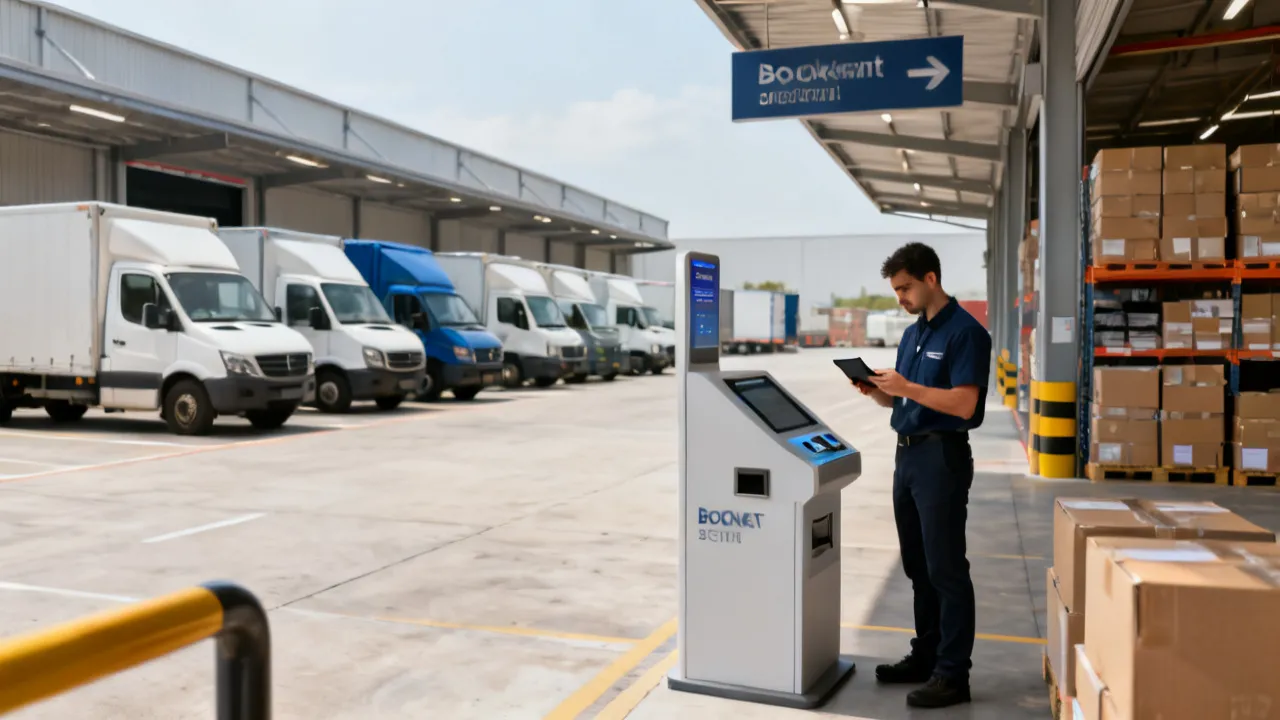
Vehicle availability determines whether deliveries, field work, and customer service can run on time. This guide explains how availability is measured, what typically limits it, and how suppliers and fleet managers can align schedules, maintenance, and demand. It also presents practical conditions, a decision framework, and expert-backed FAQs to reduce downtime.

Vehicle Availability: Expert Guide for Smart Planning
Vehicle availability is the key factor behind smooth rentals, fleet scheduling, and delivery commitments. This guide explains what “Vehicle Availability” means in practice, how suppliers manage inventory, what drives real-time supply, and how you can plan responsibly to reduce delays—using clear decision criteria, checklists, and requirements readers can apply across common vehicle categories.

Understanding Vehicle Availability for Smarter Sourcing
This guide explains how Vehicle Availability is assessed, confirmed, and managed when you’re sourcing cars through suppliers. You’ll learn objective ways to evaluate inventory readiness, lead times, and documentation requirements, plus practical decision criteria for buyers and fleet managers. Background context covers why real-world availability often differs from online listings.
